
A musty smell can indicate the presence of mold or mildew caused by excess moisture. You might also notice ordinary odors lingering in the air longer than expected if there’s high humidity.
If you want the most comfortable home, humidity levels are just as important as temperature control. A house with proper humidity levels is a healthier space with increased comfort and energy efficiency. It’s vital to ensure your home’s air quality is as good as possible to prevent illness and maintain property values.
Zimmerman Plumbing, Heating & Air Conditioning is dedicated to making every home in Central Pennsylvania an oasis of comfort and breathability. If your humidity levels are out of control, it’s time to connect with the professionals and protect your home.

The ideal humidity level for most homes is between 30% and 60%. Results above 60% indicate excess moisture in the air, and this level can lead to a range of problems, like mold growth.
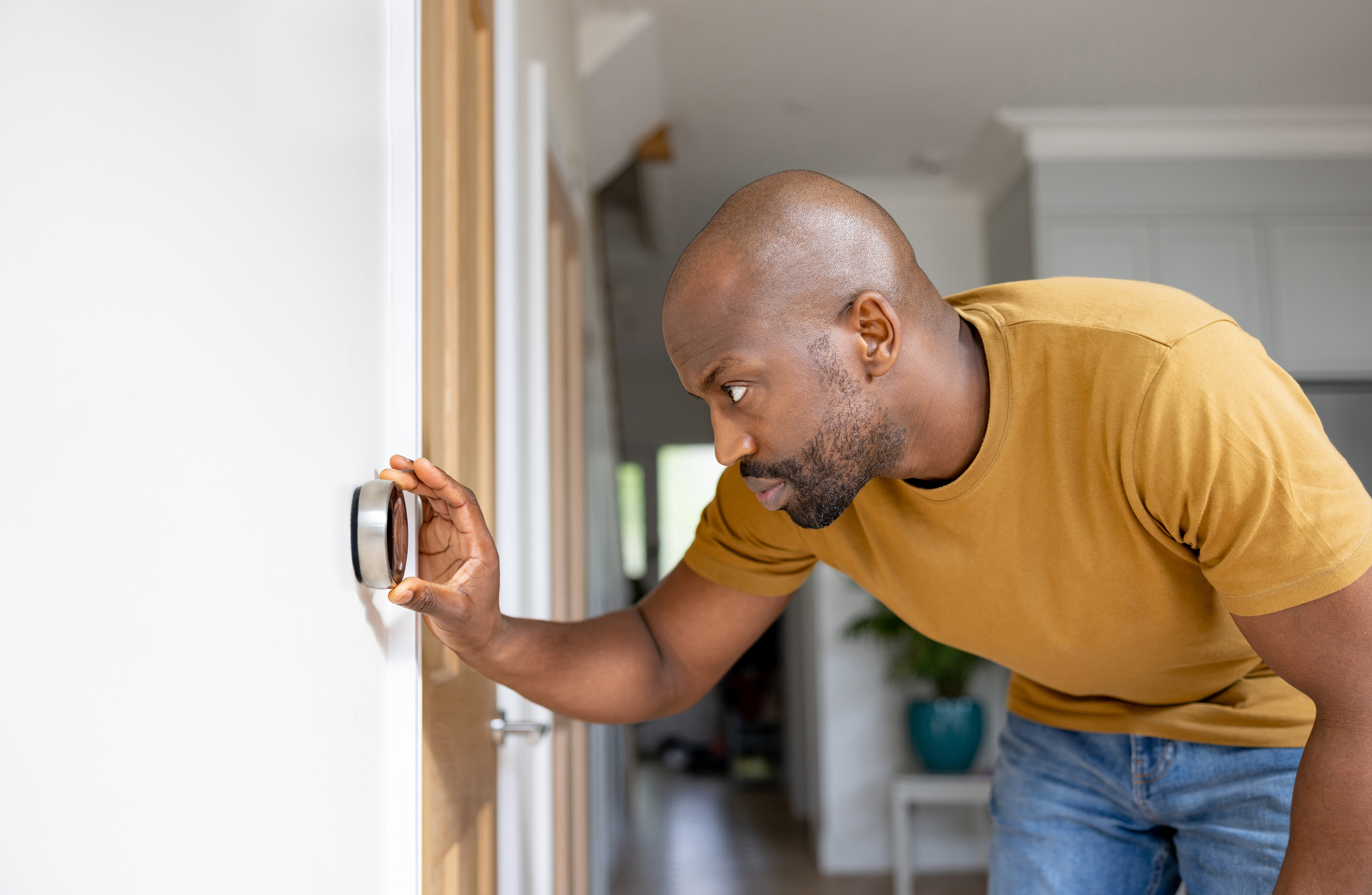
There are some thermostats that can measure humidity levels or you can look for the following signs:
A musty smell can indicate the presence of mold or mildew caused by excess moisture. You might also notice ordinary odors lingering in the air longer than expected if there’s high humidity.
If you find it difficult to open windows or your floors feel uneven, the wood may have absorbed some of the excess moisture in the air. Excess moisture can cause wood to split or crack and impact your home’s structure.
Peeling paint or wallpaper is a common sign of too much humidity. You may also see mold growing on walls or other surfaces, which can look like black, green, orange or brown stains.
Does your home feel damp, wet or sticky? It’s common to feel the moisture in the air when a room is too humid which can be uncomfortable, especially when trying to sleep.
Dust mites need humidity to survive. If you’re allergic to dust mites, high humidity can trigger symptoms like sneezing, wheezing and itching.
If you notice condensation on your windows in the winter, that’s a sign there’s too much humidity in the air. Condensation forms when humid air touches cold window glass.
If your air conditioner runs non-stop through the summer trying to keep up with the set temperature, you could offset that need by dehumidifying the air. We often over-cool our homes to remedy high humidity levels in the summer.
If you notice any of the above signs and suspect high humidity is to blame, reach out to us. We can determine whether a whole-home dehumidifier will solve the issue and recommend a solution based on your needs.
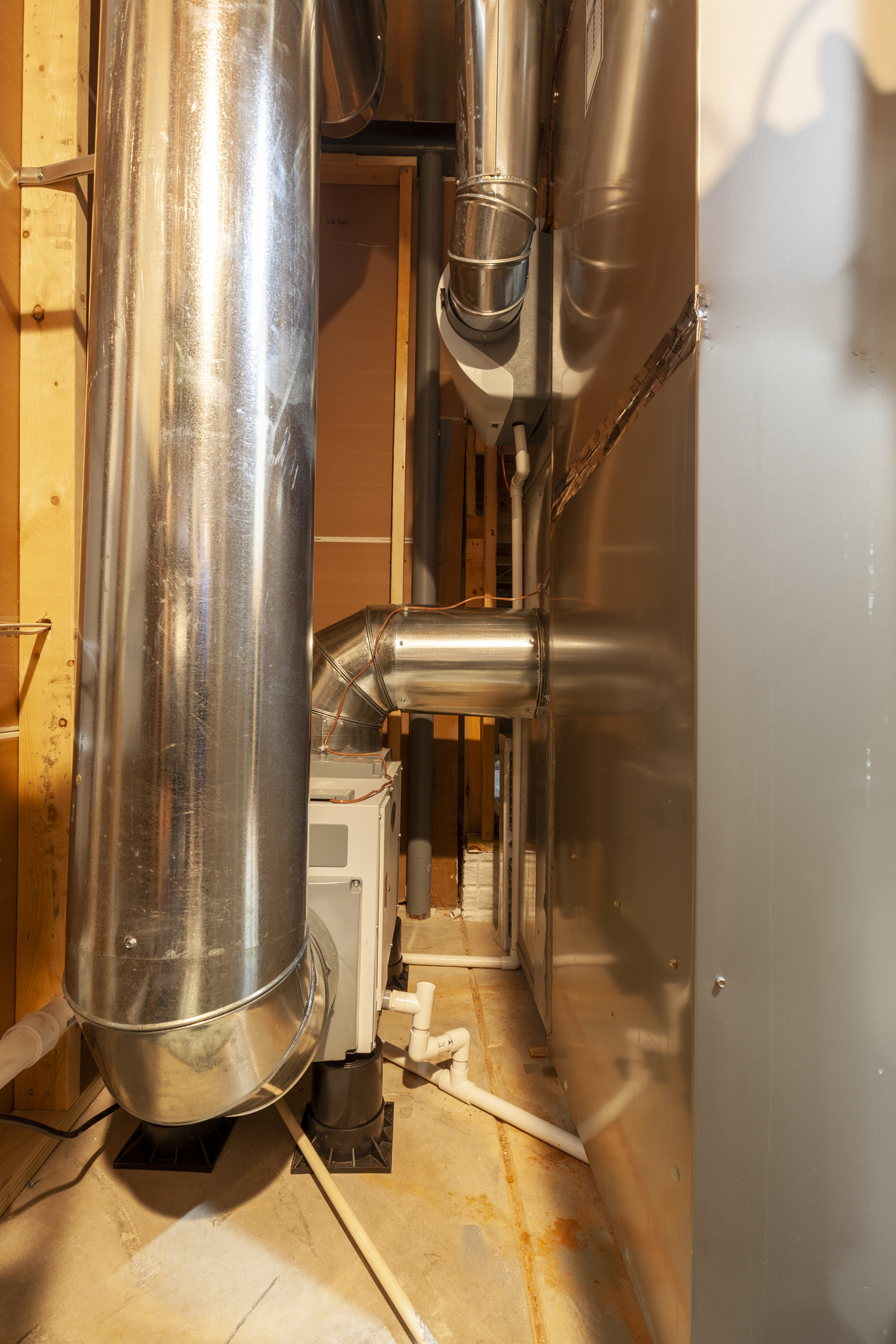
Many people choose small, portable dehumidifiers to fix their humidity issues. However, humidity affects the entire home, and it’s usually best addressed with a whole-house dehumidifier. Installing a whole-home dehumidifier will result in:









Join our newsletter for seasonal maintenance advice, energy-saving tips, and special promotional offers delivered straight to your inbox.
Since 1980, Zimmerman has been Central PA’s trusted, family-owned team. We’re a local crew built on top-tier workmanship and mutual respect. If you’re a skilled pro looking for stable year-round work and top compensation, we want to talk to you.